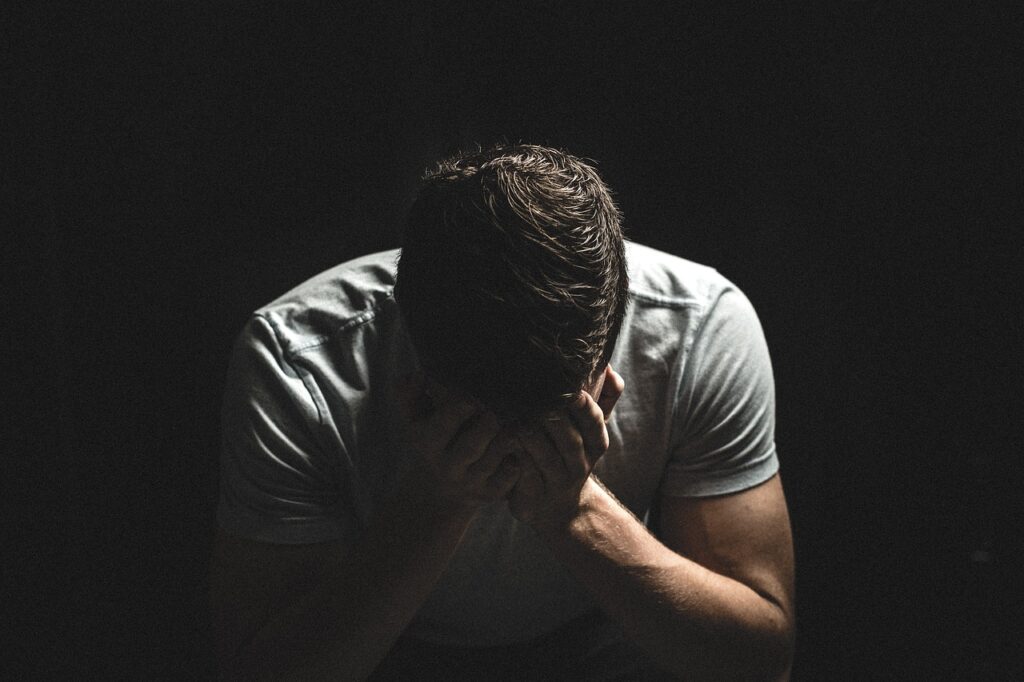
Being diagnosed with Post Traumatic Stress Disorder (personally I do not think it is a Disorder) in 2017, I have had a lot of experience of how I wanted to interact with others. In case you are interested a little bit of my history to fill in any questions or assumptions you may have. I will try to be brief, so back in October 2000 I joined the Police in the UK. A wide eyed, naïve and inexperienced 24 year old looking to make a difference and wanting to help people. Within the first 2 years I did a lot of growing up and became a battle hardened and fearless police officer in that time.
January 2011, whilst arresting a young lad he decided to pull a concealed handgun from under the sofa and shot at me 6 times. This might have been the end of the story, well at the time that is what I told myself. Only after I had fought him, disarmed him and slapped on a pair of handcuffs did I realise that I was still alive and unhurt. In 2012 I visited Number 10 Downing Street and was presented with a National Bravery Award, whilst the young lad relaxed in his prison cell.
Over the next four years, I was not right. I kept feeling odd, as if I was not in charge of my body or my thoughts. My sleep pattern was ruined and my moods swung from one extreme to the other, I put it down to work stress and managing working shifts around the clock. 2015 for the first time I saw the house that it all happened in, and it this marked my first break down. Still not diagnosed with anything, I was back at work a month later and working through things. I moved to an investigative role and became a Detective.
2017 I was dealing with a heavy case load and attended an armed robbery. My head melted and I could no longer cope. Two years of poor management by the organisation and a diagnosis of PTSD, Depression, Anxiety and it was highlighted I had a great ability to abuse alcohol, I was looking at a very lonely path as I was shown the door from my lifetime career and was medically retired. No one knew how to manage me, work, family and friends, I burnt them all, as I was a loose cannon.
So that is my story and why I know so much about the subject. I have lived a very personal experience and I know what people with PTSD need.
Simple Do’s
- Give them some space but make sure you tell them you are there for when they need to talk or want some company
- Repeat step one at least 10 times (probably more), over a period of a few weeks, prove that you are truly there for them
- When they open up, do it their way. Go for a walk, over a cup of coffee, somewhere quiet or a drive out in the country
- SHUT UP
- Be supportive, by accepting their point of view
- Understand that they might not be feeling themselves
- Expect constant relapses and tantrums, it all part of working it out
- Make time (a lot of it)
- It is tiring doing this, be honest but gentle with them, take as much time as you need to recover, but make sure they know you will be back
- Be prepared to give up weeks/months/years of your time and effort for this person
- Be consistent, be there and be prepared to do some work
Simple Dont’s
- Do not crowd them
- Do not offer faux support and then not take a call or be available
- Try not to chat with them in their “safe space” if they open up it will no longer be their space
- Do not try telling them that Great Uncle Tony, as he had PTSD and he was a bit of a twat and an alcoholic
- DO NOT ever offer advice about their condition
- Don’t tell them to pull themselves together, or man up
- Do not get angry because they ‘flip out’
- Do not cancel, change boundaries or try and ‘squeeze’ in another person to any chat/meeting
- Don’t burn yourself out, and not say anything. It ruin all the work you may have done.
- If they mean something to you, Don’t be flaky and give up.
- If they don’t mean anything to you and this is a opportunity to brag about doing something good for someone, then do not start the process, take a look at yourself in a mirror. It takes dedication and a strong bond.
As supporting people with PTSD is a very personal cause, I realised that supporters may not of had any training, advice or support so that is why I created and train The SLAP Technique. No medical training required, no thesis or £60+k in University fees needed. My training is simple, effective and I can promise that when used correctly, the sufferer will thank you for it (maybe not right away) and results will happen.